Organic vs biodynamic vs natural wine reads like a choice between three competing labels. It is not. Organic regulates farming and, in the United States, how a wine may be made and labeled. Biodynamic certification adds a whole-farm standard on top of organic. Natural describes a low-intervention approach in the cellar, and in the U.S. it has no government definition at all. One bottle can belong to all three.
- Organic
- Regulated farming, plus U.S. rules on added sulfites and on what the label may say
- Biodynamic
- Organic first, then a certified whole-farm standard such as Demeter
- Natural
- Low-intervention winemaking, with no single U.S. definition behind the word
- What a seal proves
- How the grapes were farmed and the wine was made, never how it tastes
- Where the difference shows
- At the estate, where farming and cellar choices can both be seen
In this article
- Organic vs biodynamic vs natural: the practical difference
- What organic wine means in the United States
- What makes biodynamic wine different
- Natural wine is the least standardized of the three
- What these labels tell you about taste
- How to read the bottle before you buy
- Where travelers can see the differences for themselves
- Common questions about organic, biodynamic and natural wine
- Read the certification first, then the cellar
Organic vs biodynamic vs natural: the practical difference
The easiest way to separate the three is to ask what each term is trying to control. Organic certification starts with farming rules and extends into processing and labeling. Biodynamic certification looks at the vineyard as part of a larger agricultural system. Natural wine is mainly concerned with how little the winemaker changes the grapes once they reach the cellar.
That distinction matters because the terms are often presented as a ladder: conventional, then organic, then biodynamic, then natural. Wine does not work that neatly. A Demeter-certified biodynamic producer may make a polished, classically styled wine. A self-described natural producer may farm organically without holding an organic certificate. An organic winery may inoculate fermentation with selected yeast and use other permitted cellar techniques.
| Term | Main focus | Third-party standard? | What it does not automatically tell you |
|---|---|---|---|
| Organic | Farming, permitted inputs and production rules | Yes | That the wine is unfiltered, spontaneously fermented or made without intervention |
| Biodynamic | Whole-farm agriculture plus specific vineyard and processing standards | Yes, when certified by Demeter or another recognized biodynamic body | That the wine is “natural” in the loose commercial sense |
| Natural | Low-intervention winemaking philosophy | No single U.S. government standard | That the grapes are certified organic or biodynamic |
The overlap is large. A wine may be organic, biodynamic and made according to natural-wine principles. Another may satisfy only one of the three. That is why the words on the back label are more useful than the category a retailer places above the shelf.
What organic wine means in the United States
For an American buyer, “organic wine” has a more specific meaning than it often does in casual conversation. Organic claims on wine sold in the United States fall under USDA organic rules as well as Alcohol and Tobacco Tax and Trade Bureau requirements. The important distinction is between a wine labeled Organic and one labeled Made with Organic Grapes.
According to the USDA Agricultural Marketing Service, wine sold as Organic may not contain added sulfites. It can display the USDA Organic seal if the other requirements are met. Wine labeled Made with Organic Grapes may contain permitted added sulfur dioxide, up to 100 parts per million, but cannot use the USDA Organic seal.
Both categories have to name the certifier on the label. The statement reads “certified organic by” followed by the certification body, and it sits on the information panel: a green leaf drawn by the winery is not a substitute for it.
This is a particularly useful distinction for Americans drinking European wine. A bottle certified as organic in Europe may need different wording when sold in the United States if sulfur dioxide was added during winemaking. The farming did not suddenly become less organic at the border; the labeling rules changed.
Sulfites also need some context. Fermentation can produce sulfur compounds naturally. The presence of the words “Contains Sulfites” does not by itself tell you that a wine was heavily treated in the cellar. U.S. labeling generally requires the declaration when total sulfur dioxide reaches 10 ppm or more. The TTB explains the sulfite labeling threshold separately from the rules governing organic claims, and it does not allow a label to claim that a wine is free of sulfites. Below the threshold, the permitted wording is that no sulfites were detected, or that the wine contains less than 10 ppm.
Organic certification is therefore useful, but narrow. It can tell you a great deal about agricultural practices and permitted inputs. It does not tell you whether the wine will taste cloudy, earthy, tart, polished, conventional or unusual.
What makes biodynamic wine different
Biodynamic farming starts from a different idea of the vineyard. Instead of treating vines as an isolated crop, it treats the farm as an interconnected agricultural system in which soil fertility, biodiversity, plants, animals and imported materials are managed together.
For American certification, this is not simply a winery choosing to call itself biodynamic. Demeter USA requires a farm seeking Biodynamic certification to meet National Organic Program requirements as a base, then comply with additional Demeter standards. Those include restrictions on imported fertility, specific approaches to soil and crop management, biodiversity requirements and certification of the farm as a whole: individual fields or crops cannot be certified on their own.
Demeter USA requires at least 10 percent of total farm acreage to be set aside as a biodiversity preserve. It also emphasizes composting and the nine biodynamic preparations associated with the farming system. Those preparations are one reason biodynamics attracts both devoted supporters and skeptical commentary, but they are only part of a much larger farming standard.
The cellar matters too. Demeter runs a separate processing standard with a dedicated category for wine, and distinguishes between fully certified Biodynamic wine and wine Made with Biodynamic Grapes. The first category places tighter limits on additions and manipulation during winemaking. The second still requires Biodynamic grapes but permits a broader set of practices under defined conditions.
That makes “biodynamic” more useful when you can see the certifier. On a U.S. bottle, the Demeter certification mark gives the term a defined standard. A winery describing its philosophy as biodynamic without certification may genuinely follow similar practices, but the claim is not equivalent to a certified one. This is also why DrinksAdvisor assigns the Biodynamic taxonomy only when a verifiable certification supports it; the criteria are explained in our editorial methodology.
Natural wine is the least standardized of the three
Natural wine is harder to reduce to a seal because there is no single federal U.S. definition of the term. In ordinary use, it generally describes wine made from carefully farmed grapes with relatively little intervention in the cellar: spontaneous fermentation with native yeast, few or no additives, restrained sulfur dioxide, and limited use of techniques designed to reshape the finished wine.
The problem is the word “generally.” One producer may mean organically farmed grapes, native yeast and no added sulfites. Another may use the term for a wine with low sulfur and minimal filtration. A shop may create its own natural-wine section using a house definition. None of those is automatically dishonest, but the word alone gives the American buyer less objective information than a USDA Organic or Demeter mark.
France provides a useful example of an attempt to make the idea more precise. The voluntary Vin Méthode Nature charter requires certified organic grapes, manual harvesting, fermentation with indigenous yeast and no added enological inputs. Sulfites cannot be added before or during fermentation; a limited adjustment is permitted in the finished wine, with total sulfites capped at 30 mg/L and the addition disclosed through the appropriate version of the logo.
That does not create a universal definition of natural wine. It creates one clearly described standard that consumers can verify. Many respected low-intervention producers operate outside it, including producers in countries where the mark is not commonly used.
The sensible habit is simple: treat “natural” as the beginning of a question rather than the end of one. Look for information about farming, fermentation, additions, filtration and sulfur. A producer willing to describe those choices gives you more useful information than the word natural printed in large type.
What these labels tell you about taste
Very little with certainty. Organic vs biodynamic vs natural is a question about method, not about flavor, and none of the three terms describes a style in the glass.
An organic Chianti can taste as classically structured and polished as its conventional neighbor. A biodynamic Bordeaux can be built for decades of aging. Natural wine can be crystal clear and precise rather than cloudy or overtly funky. None of the three terms guarantees sourness, volatility, sediment or any particular aroma.
Some characteristics are more common in low-intervention circles because of the techniques involved. Wines bottled without filtration may carry sediment. Native-yeast fermentations can produce a broader range of aromas. Very low sulfur levels can make storage and transport more consequential. Those are tendencies, not definitions.
The same caution applies to quality. Certification tells you that a producer followed a set of rules. It does not tell you that the wine is balanced, complex or worth its price. Farming philosophy and winemaking skill are separate questions, and a serious tasting should judge both.
How to read the bottle before you buy
Organic vs biodynamic vs natural becomes a practical question at the shelf, and the rule there is to start with the most specific claim rather than the most fashionable one. On wine sold in the United States, a USDA Organic seal and certification statement are stronger evidence than a leaf drawn by the winery. “Made with Organic Grapes” has its own regulated meaning and should not be treated as a weaker-looking version of exactly the same claim.
For biodynamic wine, look for Demeter or another recognized certification appropriate to the wine’s country of origin. If the producer says only that it “uses biodynamic principles,” read that as a description of practice rather than proof of certification.
For natural wine, turn the bottle around. Useful details include certified organic or biodynamic farming, native yeast, no additions other than sulfur, no fining or filtration, and an actual figure for total or added sulfur when the producer provides one. The absence of a certificate is not evidence that the wine is poor; it simply means you need more information before treating the claim as verified.
One label also does not cancel another. A bottle can legitimately carry organic certification, Demeter certification and a low-intervention production description at the same time. Those statements answer different questions.
Where travelers can see the differences for themselves
The comparison becomes much clearer at a winery than on a retail shelf. In the vineyard, ask what is used against mildew, how weeds are managed, whether compost is produced on the estate and which certification body inspects the property. In the cellar, ask about native versus selected yeast, filtration, fining and sulfur additions. Those questions quickly reveal where farming certification ends and winemaking philosophy begins.
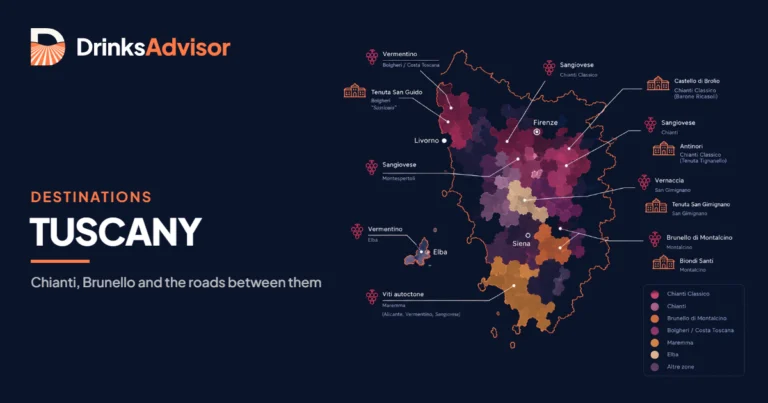
Tuscany is a useful place to explore the subject because certified organic and biodynamic estates sit inside a region whose most famous wines remain firmly rooted in traditional appellations. Start with our Tuscany wine country guide to understand the geography, then compare producers during one of the Chianti wine tours from Florence. Staying in wine country gives you more time for estate visits; our guide to the best vineyard hotels in Tuscany covers the main options.
Check the Best Chianti Wine Tours →
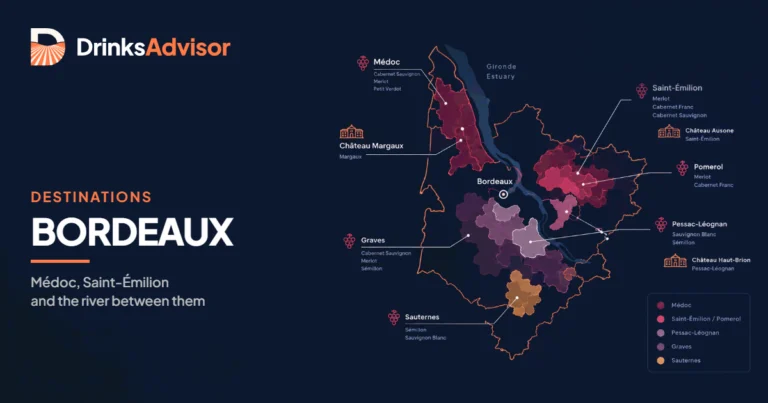
Bordeaux offers a different comparison. The region includes large historic estates, small growers and producers working with organic or biodynamic certification inside tightly defined appellations. Our Bordeaux wine travel guide is the better starting point if you want to compare farming philosophies without making them the sole purpose of the trip, and a booked visit is the fastest way to ask these questions in the cellar rather than at the counter: the private cellar tours in Bordeaux include estates that explain their farming in detail.
Check the Private Cellar Tours in Bordeaux →
Common questions about organic, biodynamic and natural wine
Is biodynamic wine always organic?
Certified Biodynamic wine in the United States builds on organic requirements. Demeter USA requires the National Organic Program standard as a base before its additional Biodynamic rules apply. A producer saying it follows some biodynamic practices, however, is not the same thing as a wine carrying Demeter certification.
Is natural wine always organic?
No. Many natural-wine producers farm organically or biodynamically, but “natural wine” by itself is not a U.S. organic certification. A French wine carrying the Vin Méthode Nature mark must meet that charter’s organic-farming requirements, but a bottle simply described as natural may rely on the producer’s own definition.
Does organic wine have no sulfites?
Not exactly. Fermentation can create sulfites naturally, and U.S. rules do not allow any wine to be labeled free of sulfites. Wine labeled Organic cannot have chemically added sulfites, while wine labeled Made with Organic Grapes may contain permitted added sulfur dioxide. A “Contains Sulfites” statement concerns the amount present in the finished wine, not just how the grapes were farmed.
Is natural wine healthier than conventional wine?
Natural, organic and biodynamic labels describe production choices, not a general health benefit. They do not remove alcohol from the wine or make ordinary alcohol-related risks disappear. Choosing one of these categories makes sense for farming, environmental or stylistic reasons, but the label should not be treated as a health claim.
Why does an organic European wine sometimes have different wording in the U.S.?
U.S. organic labeling rules for wine differ from European rules, especially around added sulfur dioxide. An imported European wine that qualifies as organic at home may need to be sold as Made with Organic Grapes in the United States if sulfites were added. The vineyard practices can remain the same while the legally permitted label changes.
Organic vs biodynamic vs natural: which label should I prioritize?
Choose the claim that answers the question you care about. Organic certification is the clearest evidence about regulated farming and processing rules. Biodynamic certification adds a broader whole-farm standard. Natural-wine information is most useful when the producer explains the actual cellar practices behind the term. None is a substitute for tasting the wine.
Read the certification first, then the cellar
Organic vs biodynamic vs natural stops being confusing once the three words stop standing for “better wine” and start describing specific choices. Organic gives the American buyer the clearest regulated label, with rules that reach from the vineyard to the wording on the back. Certified biodynamics adds a more demanding agricultural system, verified across the whole farm. Natural asks a different question: how little was changed between vineyard and bottle? Read the certification first, then the production details, then decide whether the style is one you want. The most convincing answers usually come in person, in a cellar, from the person who made the wine.