The best time to visit Tuscany wineries is May or June for green vineyards and long days, or late September through mid-October for harvest atmosphere. Spring is easier for unhurried tastings; harvest is more exciting but busier and less predictable. Winter can be rewarding for cellar-focused visits, provided you confirm every appointment before traveling.
- Best overall window
- Mid-May through June
- Best for harvest
- Late September through mid-October
- Best for quiet visits
- April, early May and November
- Best value
- November through March, outside the Christmas period
- When to book
- At least two to four weeks ahead; earlier for harvest and weekends
- Main limitation
- Seasonal hours, appointment-only estates and little public transport between wineries
In this article
The best time to visit Tuscany wineries
For most wine travelers, the safest answer is mid-May through June. The vines are green, daylight lasts well into the evening and the summer heat has not yet settled over the inland hills. Estates are operating on their main-season schedules, yet tasting rooms are generally easier to book than they are during harvest.
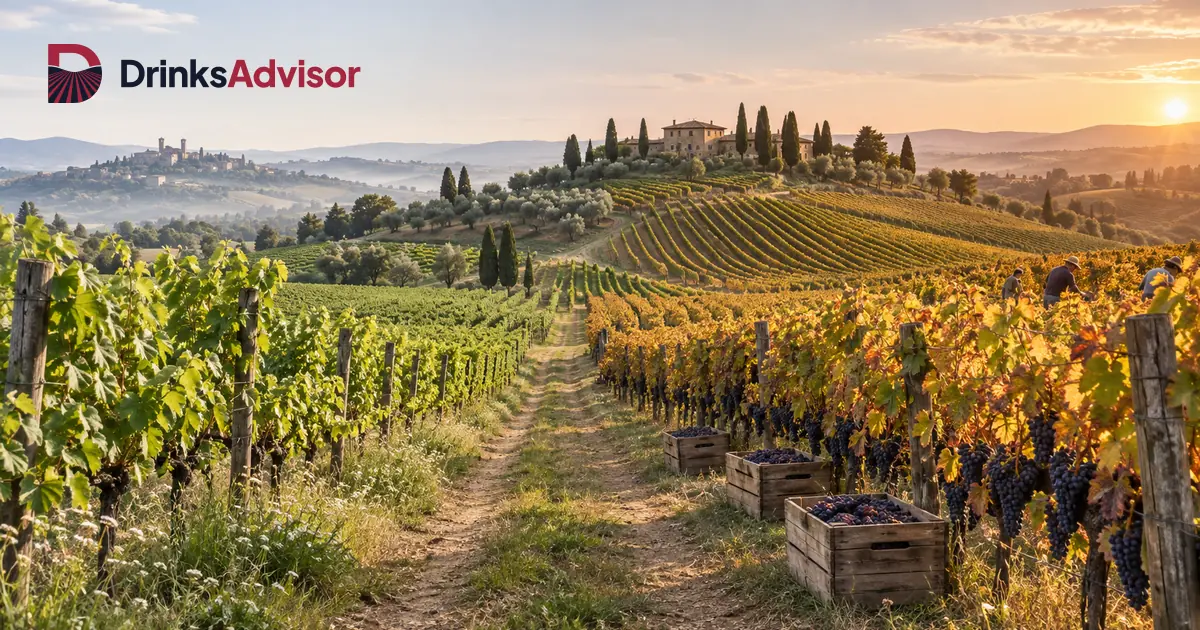
Late September through mid-October is the more dramatic choice. Grapes arrive at the winery, fermentation begins and vineyard roads carry tractors as well as visitors. The Chianti Classico consortium places its harvest between the first half of September and the second half of October, depending on altitude and location. That wide window matters: no responsible estate can promise months ahead that picking will happen on the day of your tour.
September is not automatically better than May. During harvest, production comes first. A winemaker who normally leads tastings may be in the cellar, some vineyard walks may be shortened and traffic on small roads slows down. Come for the energy, not for a staged picking experience. If conversation and access matter more, choose late spring.
Tuscany’s winery calendar, month by month
January
January is quiet, cold inland and useful for serious cellar visits. The landscape is brown rather than postcard-green, and daylight is short. Many small estates receive guests only by prior arrangement; some take a full winter break. Larger visitor centers may stay open on reduced schedules. Accommodation prices are often low after the holiday period, but do not build an itinerary around walk-ins.
February
February remains low season. Cellar work continues while the vines are dormant, so a well-arranged tasting can feel more focused than a summer visit. The trade-off is limited hospitality: estate restaurants, vineyard walks and weekend tours may not operate. This is a month for two confirmed appointments and a flexible town-based plan, not a long list of speculative stops.
March
March begins the transition. Days lengthen, tasting programs restart and pruning is still visible in many vineyards. Rain and cool spells remain common, especially early in the month. The official Tuscany tourism weather guide notes that March can be rainy. Favor cellar-focused tours and treat vineyard walks as a bonus.
April
April is one of the best compromise months. New growth begins, villages are active again and visitor numbers remain below their summer level. Weather alternates between clear afternoons and rain, so layers and waterproof shoes are sensible. Easter can create a short surge in demand and altered opening days. Confirm appointments and restaurant hours rather than assuming a normal Sunday schedule.
May
May is our first choice for a first wine trip. Vineyards are vividly green, temperatures usually suit walking and tasting rooms are fully active. Rain is still possible, but it rarely carries the sustained heat of midsummer. Book weekends early, particularly in Chianti Classico and Montalcino. Midweek visitors have the best chance of keeping a tasting conversational rather than tightly timed.
June
June offers the longest useful days and reliable access across the wine regions. Early June is especially strong: the landscape is still fresh, evenings are comfortable and peak vacation traffic has not fully arrived. By mid-month, official tourism guidance considers Tuscany to be entering high season. Reserve tastings, lunches and rooms together so a confirmed cellar visit is not stranded without a nearby meal.
July
July is dependable but hot. Inland temperatures can make a noon vineyard walk unpleasant, while stone cellars remain naturally cool. Choose the first tour of the morning, take a long lunch and avoid scheduling three estates without breaks. Roads and famous towns are busy. The month works best for travelers who value certainty and long evenings more than quiet tasting rooms.
August
August brings heat, holiday traffic and the most uneven local schedules. Major wine destinations remain active, but family businesses may reduce hours around Ferragosto, the August 15 holiday. Restaurants and shops can also close for part of the month. Do not read “high season” as “everything is open.” Book each component directly and keep outdoor activity to the morning.
September
September shifts from summer travel into harvest. Early in the month can still be hot and crowded; later weeks bring cooler mornings and far more activity in the vineyards. This is a compelling time to see a working region, but cellar teams have less spare time. Ask what the booked visit includes. A standard tasting may continue even when a vineyard or production-area tour cannot.
October
Early and mid-October often give the best harvest balance: cooler weather, changing leaves and active cellars without August’s heat. Higher sites may still be picking after warmer areas have finished. Rain risk rises as the month advances. For a harvest-led trip, build two nights in one wine area rather than driving across Tuscany to chase a date that weather may move.
November
November is wet, quiet and underrated for tasting. Visit Tuscany identifies it as usually the wettest month, which makes vineyard walks unreliable. In return, crowds fall and newly made wine is settling in the cellar. Some estates reduce weekend hours, but those that welcome visitors can offer a slower experience. Base yourself near the wineries rather than relying on long drives after dark.
December
December works for cellar visits paired with food, village markets and city time. It is not a vineyard-scenery trip. Opening patterns tighten around Christmas and New Year, while the holiday period creates its own demand. Confirm the exact tour language, lunch service and closing dates in writing. A winery shop being open does not necessarily mean a guided cellar tour is available.
What harvest season changes
Vendemmia means grape harvest, but it is not one fixed week across Tuscany. Coastal vineyards can move earlier than high inland sites, and white grapes generally come in before late-ripening reds. Chianti Classico alone spans more than a month of potential picking dates. Montalcino, Montepulciano and Bolgheri follow their own conditions, varieties and decisions.
Visitors should expect work, noise and changed routes. Crates, hoses and cellar equipment occupy spaces that look serene in promotional photographs. That is the point. What you should not expect is permission to join a harvest crew. Picking is skilled, physical work governed by production schedules and safety rules; participatory experiences must be explicitly offered by the estate.
Harvest also compresses availability. Book four to eight weeks ahead for late September and early October, then reconfirm a few days before the visit. Keep one afternoon lightly planned. If rain delays picking or a cellar needs to change the tour, flexibility will preserve the day better than a sequence of nonrefundable appointments.
Tasting-room hours and winter closures
Tuscany does not operate like a single wine trail with standard cellar-door hours. Many estates welcome visitors only through scheduled tours, even in summer. A wine shop may accept walk-ins while the production cellar remains accessible only with a guide. Smaller family wineries often close one or two days each week, and lunch can interrupt the visiting day.
Published schedules show how sharply models differ. Antinori nel Chianti Classico lists daily opening from April through October and shorter winter hours from November through March. Avignonesi in Montepulciano publishes daily hours from May through October, weekday-only shop hours in March, November and December, and no public January or February schedule on that page. These are examples, not a regional rule.
Winter does not mean every winery is closed. It means less redundancy if one is. Confirm the tour, not merely the gate hours; ask whether the tasting is in English; check if lunch requires a separate reservation; and verify access again around public holidays. Save the reply offline because reception can be poor on rural roads.
Crowds, prices and how far ahead to book
Accommodation demand and tasting-room demand do not always move together. July and August fill hotels, villas and restaurants, yet harvest can be harder for winery appointments because production limits capacity. Christmas raises prices in Florence and other city bases even while rural wine tourism is quiet. Late autumn, winter and early spring usually offer lower room rates outside holiday weeks.
For April, May, June and November, two to four weeks is a sensible booking window. For a weekend in harvest season, reserve four to eight weeks ahead. In July and August, secure accommodation first and tastings immediately after. January and February require advance contact for a different reason: the estate may open for appointments but not publish regular visitor hours.
If your priority is broad access with the fewest compromises, the best time to visit Tuscany’s wineries remains late spring. Harvest rewards flexibility; winter rewards careful planning.
Two wineries in one day is usually enough. Rural drives take longer than the distance suggests, tastings often last 60 to 90 minutes and a Tuscan lunch is not a quick refueling stop. Three visits can work when they are close together and one is a simple tasting, but it leaves little room for a delayed tour or a conversation worth continuing.
Where to try it
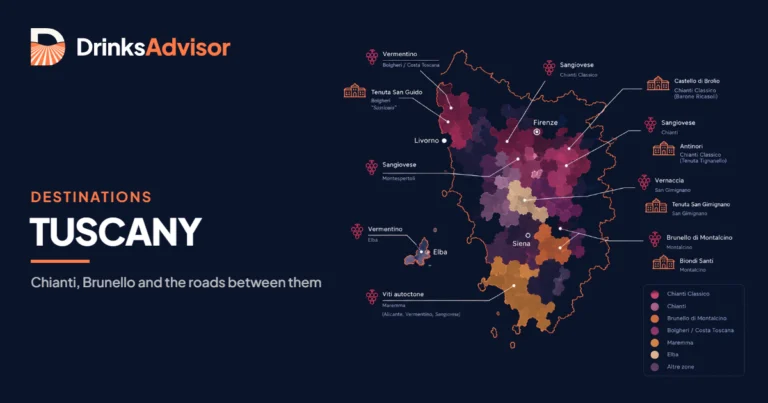
Choose the season only after choosing the wine area. Chianti Classico is the easiest addition to a Florence stay and has the broadest range of tour formats. Montalcino rewards travelers focused on Brunello and willing to drive farther. Montepulciano combines Vino Nobile cellars with a walkable historic center, while Bolgheri suits travelers heading toward the coast.
Our Tuscany wine country guide explains how the main areas differ and how to build a route between them. If you prefer not to drive after tasting, compare the Chianti wine tours from Florence. For a trip centered on an estate rather than day tours, the best vineyard hotels in Tuscany keep the vines, cellar and room in one place.
Check the Best Vineyard Hotels →
One practical rule improves every season: stay near the wine you came to taste. A base in Florence is convenient for one Chianti day, but it is inefficient for repeated drives to Montalcino or Montepulciano. Moving south for two nights reduces road time and makes the quieter first and last tasting slots realistic.
Common questions
Do Tuscan wineries accept walk-ins?
Some large estates have wine shops that accept walk-ins, but guided tastings and cellar tours usually require a reservation. Smaller wineries may have no public desk at all. Book directly, specify your preferred language and wait for confirmation. An opening time on a map listing is not proof that a tour is available.
Can you visit wineries on Sunday?
Yes, but the choice narrows outside the main season. Some major visitor centers operate daily, while family estates may close on Sunday or accept only prebooked groups. Restaurant hours can differ from winery hours. Confirm each part of the visit, especially from November through March and around public holidays.
How many wineries should you visit in one day?
Plan two substantial visits. Add a third only when the estates are close and one appointment is a short tasting without a cellar tour or lunch. Two visits leave time for rural roads, a proper meal and responsible tasting. They also give the host time to explain the wines without watching the clock.
Can visitors watch the grape harvest?
Sometimes, from designated visitor areas or during an estate’s specific harvest program. A normal tasting does not guarantee access to picking or production spaces. Ask what will be visible, and never enter a working area without permission. Exact harvest dates depend on ripeness and weather, so they can change at short notice.
What should you wear to a winery in Tuscany?
Wear stable shoes for gravel, uneven cellar floors and vineyard slopes. Bring layers because barrel rooms remain cool even in summer. In spring and autumn, pack a light waterproof jacket. Avoid strong perfume, which interferes with tasting. Formal clothing is rarely necessary unless the visit includes an upscale restaurant.
Check the Best Chianti Wine Tours →
Choose the window that fits the trip
The best time to visit Tuscany’s wineries depends on what you want the day to feel like. Choose May or June for the strongest balance of vineyard scenery, access and comfortable weather. Choose late September or early October for harvest energy, accepting tighter schedules and less certainty. Choose winter for quiet cellars and lower room rates, but confirm every door before setting out. Once the month is settled, match the base to the wine area; the next decision is whether to stay among the vines or book a guided tasting day from Florence.